
Ways to Find Local Services After Moving to a New Area
Settling in can start with a few well-chosen local recommendations. Finding local services after moving to a new area means combining advice from neighbours, friends or colleagues with council information and online or printed directories. Then check that essentials such as shops, healthcare services and transport links fit the way you actually spend your week.
It’s normal to feel unsettled when familiar routines and trusted contacts are suddenly out of reach. A practical way forward is to ask residents specific questions, use local authority information to research services and amenities, and compare what you find with your daily needs. This guide explains how to find community recommendations and check routes, services and facilities in person. You’ll be better able to prioritise what you need first and make informed choices as your new area starts to feel familiar.
Table of Contents
1. Asking residents for neighbourhood recommendations and local insights
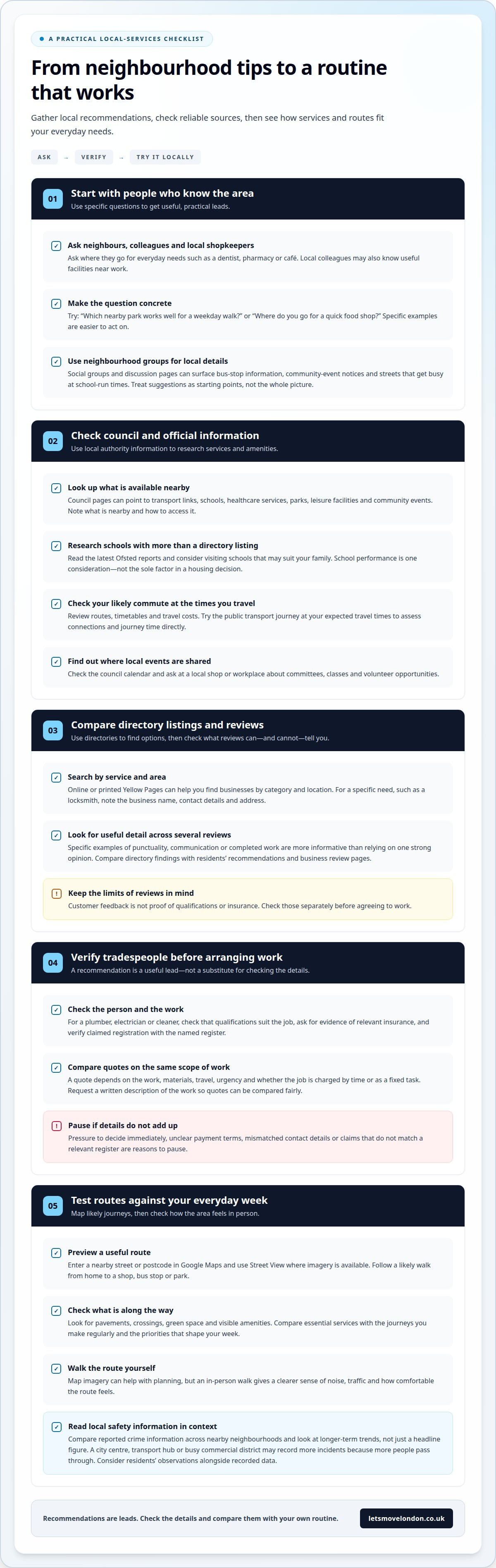
After relocating, start with people who know your street rather than relying on broad online ratings. Ask neighbours, colleagues and local shopkeepers where they go for everyday services, such as a dentist, pharmacy or café. Make each question specific: “Which nearby park works well for a weekday walk?” or “Where do you go for a quick food shop?” Specific examples make recommendations easier to act on.
Use social media to find neighbourhood groups and discussion pages, then ask about practical details. A resident might explain which bus stop serves a route, where community events are shared, or which streets get busy at school-run times. Local colleagues can also point out useful facilities near work. Treat suggestions as starting points, then compare them with your priorities and routine.
To get a sense of the area before visiting, enter a nearby street or postcode into Google Maps and use Street View where imagery is available. Follow a likely walk from your home to a shop, bus stop or park. Look for pavements, crossings, green space and visible amenities along the route. Map imagery can help you plan, but an in-person walk gives you a clearer sense of noise, traffic and how comfortable the route feels.
For a broader picture, compare reported crime information across nearby neighbourhoods and look at longer-term trends, not just a headline figure. A city centre, transport hub or busy commercial district may record more incidents because more people pass through. Ask residents what they notice locally, while distinguishing personal impressions from recorded data. Combining both perspectives helps you identify questions to explore and opportunities to feel at home after moving.
Community groups, local business review pages and neighbourhood discussion groups can offer residents’ recommendations and information about local concerns and amenities. If you’ve moved to a new town, ask friends, neighbours or colleagues about services you may need. Neighbours can also share details of amenities and events, while local shopkeepers can point you towards places where people exchange community information.
Joining local social media groups gives new residents another place to ask questions and compare what they hear about the area. Use online research alongside local recommendations rather than treating either as a complete picture. Together, these sources can provide practical leads to follow up as you get to know the community and help you feel settled.
2. Finding official local authority information about transport, schools, healthcare and community events
Start with your local council’s website. Its pages can point you towards transport links, schools, healthcare services, parks, leisure facilities and community events. Search using the council name and your neighbourhood, then note which services are nearby and how to access them. This research can help you settle in and find useful facilities beyond your immediate street.
For schools, read the latest Ofsted reports and consider visiting schools that may suit your family. School information can offer a glimpse of local facilities and community life, but performance alone shouldn’t decide where you live. For commuting, review routes, timetables and travel costs. Try your likely public transport journey at the times you expect to travel, so you can assess connections and journey time directly.
Ask neighbours, colleagues or local community groups which tradespeople they’ve used, and whether local events or committees welcome new residents. For a plumber, electrician or cleaner, check that qualifications suit the work, ask for evidence of relevant insurance, and verify any claimed registration with the named register. Compare the details with the service you need rather than relying on a recommendation alone.
For plumbers, electricians and cleaners, a quote depends on the work, materials, travel, urgency and whether the job is charged by time or as a fixed task. The price is provided after you request a quote.
Reduce scam risks by checking the business name and contact details, requesting a written description of the work and comparing quotes for the same scope. Pressure to decide immediately, unclear payment terms or claims that don’t match a relevant register are reasons to pause. For community events, check the council calendar and ask at a local shop or workplace about committees, classes and volunteer opportunities. These steps help you compare information before arranging a visit or booking work.
3. Checking online or printed Yellow Pages
Use online or printed Yellow Pages to find businesses by service and area. Search for a specific need, such as a locksmith near your postcode, then note the business name, contact details and address. Online listings make it easier to compare businesses and read customer reviews. A printed directory can help if you prefer browsing categories rather than switching between search results.
For reliable local services, combine directory listings with residents’ recommendations and details from business review pages. Read several reviews, looking for specific examples of punctuality, communication or completed work rather than relying on one strong opinion. Reviews are customer feedback, not proof of qualifications or insurance, so check those separately before agreeing to work.
If you’re looking for schools, use a directory as a starting point, then research local schools through their latest Ofsted reports and visits. Families with children can compare facilities and programmes, while people without children may still learn about nearby amenities and community life. School performance shouldn’t be the sole factor in a housing decision. Compare the surrounding area as well.
Check local authority planning information if a property sits in a conservation area. In England, Article 4 Directions can restrict work that would normally be possible without planning permission, including replacing doors or windows and altering gutters or downpipes. This matters if you’re considering changes after moving. Use the relevant council’s planning pages to find area-specific information before making plans.
Use the same directory research to map nearby amenities. Search for supermarkets, libraries, post offices, healthcare facilities, restaurants and parks, then compare their locations with public transport routes. For crime information, compare neighbourhoods and longer-term trends rather than judging an area by one headline figure. Check whether the information relates to the streets you’re considering, not just a wider district.
Mapping out a typical week and access to essential services
Arrange services by urgency, not by how easy they are to find. Start with home essentials such as gas, electricity, water and internet, then identify healthcare access and the transport you rely on. If you need ongoing care, find out how to register with a local doctor. Check your local authority’s information for refuse and recycling arrangements.
Next, sketch a typical week. Mark work or school journeys, food shopping, appointments and regular activities. Add nearby supermarkets, pharmacies, post offices, libraries, parks and healthcare facilities. A map can show which places are along routes you already take, rather than requiring a separate journey. Note opening times where available, especially for services you expect to use before or after work.
Prioritise what you need immediately, then add less urgent services as your routine takes shape. For example, a household commuting by bus may first need a practical route, nearby food shops and healthcare access. Someone working from home may put internet access and local facilities higher on the list. Let your own schedule guide the order.
At home: arrange essential utilities and internet, and find out how waste and recycling work locally.
For health: identify local medical options and the steps for registering with a doctor.
For regular errands: locate shops, post offices, pharmacies and services that fit existing journeys.
For time off: note parks, leisure facilities and community activities that suit your interests.
Keep your list somewhere easy to update, such as a notes app or household calendar. As you settle in, record useful details such as routes, appointment locations and opening times. Local communities can also help you find activities and familiar places. A manageable weekly plan turns a long list of services into practical next steps, without trying to organise everything at once.
Making a checklist of essential services and prioritising what you need immediately can help you plan after a move. In a UK city, research access to supermarkets, schools, healthcare facilities, parks and entertainment venues as you plan your routine. Settling-in information can also explain how to access UK emergency services.
Let's Move London: Moving
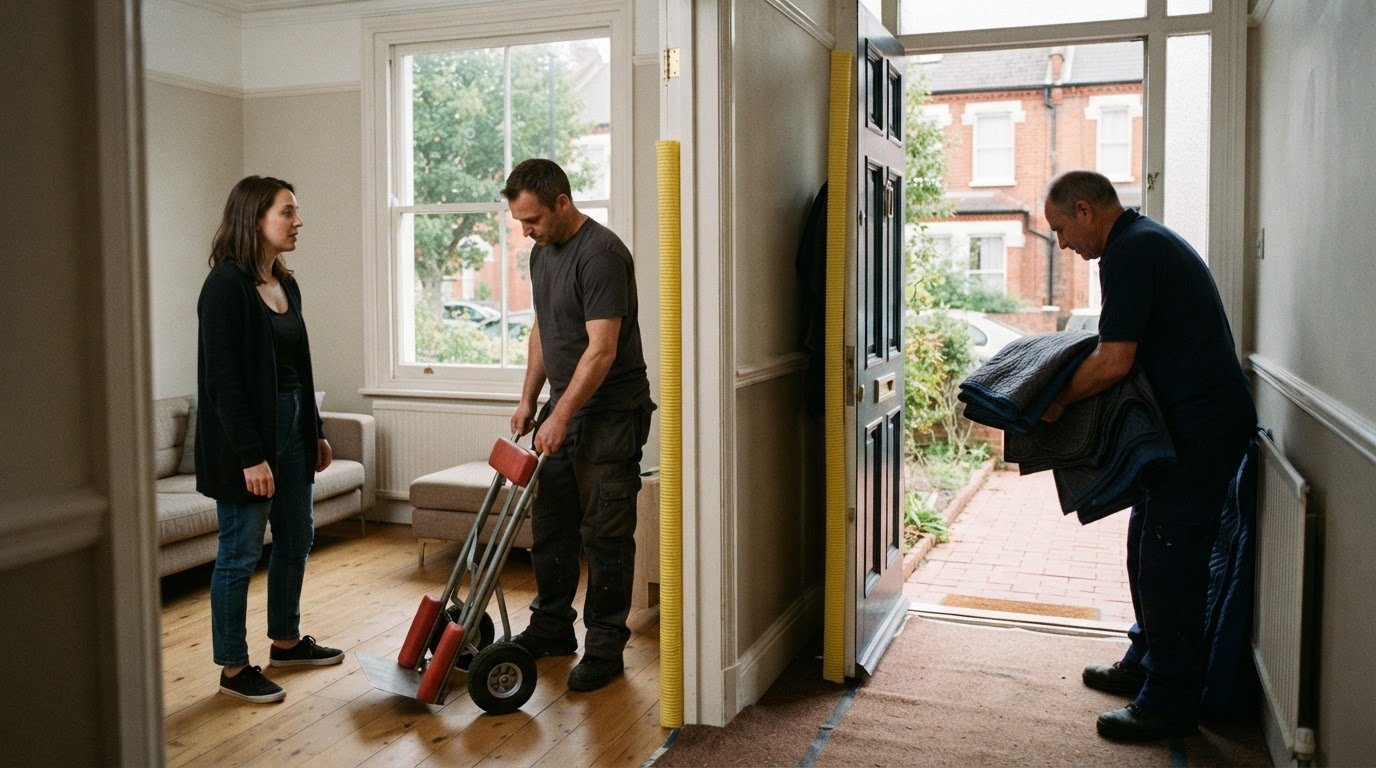
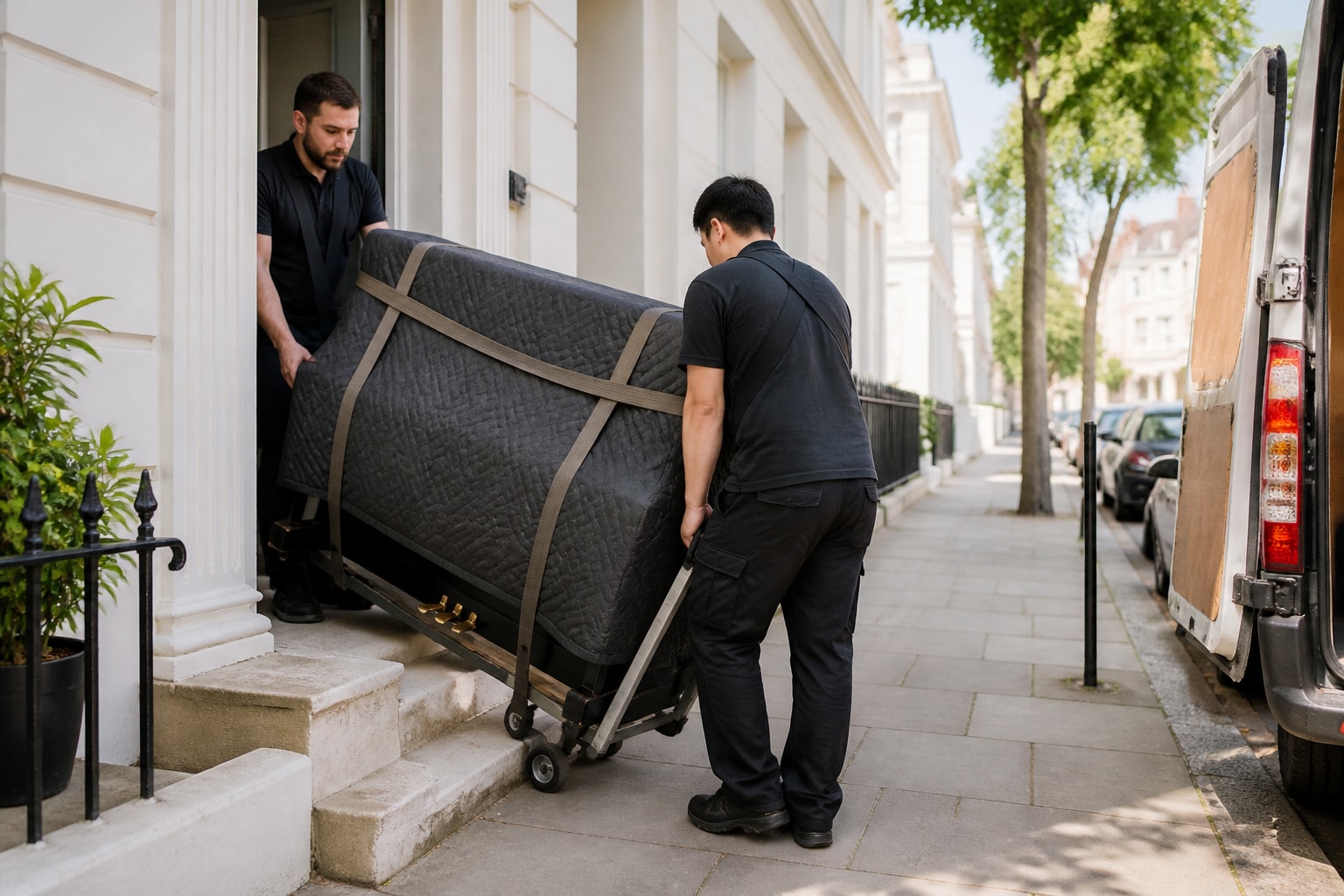
Let's Move London helps with the practical work of moving your belongings to a new home. Once you’ve identified essential local services and planned your first routines, organise the move around your property, belongings and timing. If you need extra space between homes, secure storage can keep your belongings together while you settle in.
Share the details of your move and what support you need, whether you’re relocating within London or arriving from elsewhere. A clear plan for the physical move leaves you free to focus on setting up utilities, learning local routes and getting familiar with nearby services.
Contact Let's Move London to discuss your move.
Make your new neighbourhood feel like home
A new area becomes familiar through the routines you build and the places you return to. Give yourself room to adjust. Try a regular walk, visit a nearby community activity or make a familiar stop part of your week. Repeated encounters can turn brief conversations into trusted connections over time.
Finding local services after moving to a new area isn’t about organising everything at once. Choose one useful next step, then let your priorities evolve as you learn what works for your household. That could mean settling into the area before taking on another task, or arranging practical support for the move itself.
When you’re ready to plan your relocation, contact Let's Move London today. Take the move one step at a time, and give yourself the chance to feel at home in your new community.
Frequently Asked Questions
I Moved to a New Area and Know No One: What Should I Do?
Begin with one recurring activity that gives you a reason to see familiar faces, such as a class, volunteering or a walking group. Finding local services after moving to a new area can also create natural opportunities to talk with people you meet regularly. Choose an activity that fits your routine, attend consistently and let conversations develop at a comfortable pace.
How to register with a GP, dentist and optician after moving to a new area
Identify local medical options and check your local authority’s information for steps to register with a doctor. Ask neighbours or coworkers for recommendations for a dentist; the material does not give registration steps for dentists or opticians.

Comments